A Better Finish with Less Brushwork
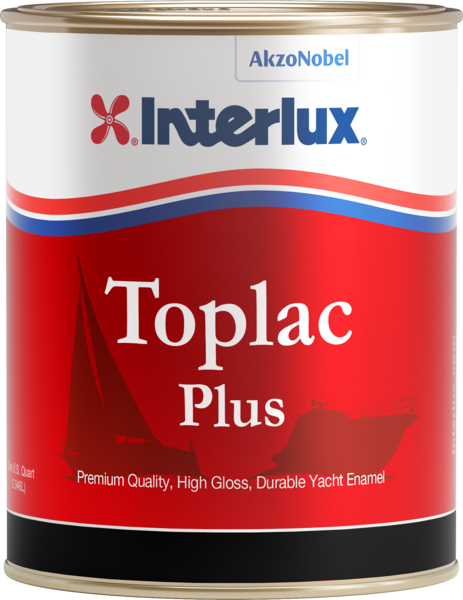
I see the practical cost of a topside repaint as far more than the tin. It is the preparation, the weather window and the time spent trying to leave a clean final surface before dust, flies or evening damp arrive. International Toplac Plus in Mauritius Blue costs £55 for 750 millilitres, and its strongest advantage is simple: International publishes it for brush or roller application, with flow and levelling designed so a rolled finish no longer needs a separate brush-tipping pass.
I regard that as useful engineering rather than a labour-saving slogan. Every extra pass across wet paint brings another chance to disturb the film. A coating that levels after the roller helps an owner keep a steady edge and a consistent finish along a cabin side, coaming or topside panel. The Mauritius Blue reviewed here is product code YLK991/750AA and the live Flood Marine stock keeping unit is 560407, so the colour, pack and matching reference are clear.
What the published figures mean on a boat
Toplac Plus is a one-part silicone alkyd gloss enamel for surfaces above the waterline. International specifies two or three coats at a 50-micrometre wet film thickness, with one coat potentially sufficient for a local touch-up or repair. Practical brush-and-roller coverage is 12 square metres per litre. On paper, a 750-millilitre tin therefore covers about nine square metres for one coat before allowance for the roller, tray, hull shape and unavoidable losses. I would measure the actual area and multiply it by the planned coat count before ordering.
The published substrate list includes steel, aluminium, glass-reinforced plastic (GRP) and wood when the correct preparation and compatible primer system are used. That breadth is commercially useful because a yard can retain one familiar finishing system across several boat materials. For an owner, it means the can is not tied to one narrow construction type. I would still follow the current product data sheet for cleaning, sanding, primer compatibility, temperature and overcoating; the final gloss can only reveal what sits beneath it.
Finish chemistry and ownership
International includes ultraviolet (UV) filters to support colour and gloss retention, an important point for a dark blue surface exposed above the waterline. The formula is also free from methyl ethyl ketoxime (MEKO), the anti-skinning agent removed in line with current legislation. I do not translate either statement into immunity from weather or maintenance. I take them as two specific improvements within a modern one-part topcoat.
A single-component paint also keeps the working routine familiar. I can stir the paint thoroughly, decant what I need, control the roller load and maintain the wet edge without mixing a hardener ratio or watching a short pot life. The absence of a tipping pass does not remove the need for care: clean tools, thin even coats and sensible conditions still decide the result. It simply removes one technique-sensitive stage from the finish.
The colour deserves a note of its own. Mauritius Blue is a substantial, traditional marine blue, but a screen or printed swatch cannot guarantee the exact cured colour. I would use the manufacturer’s colour reference, test a prepared sample and judge it in daylight against adjacent trim. That small trial is cheaper than discovering a mismatch after the second side has been coated.
International Toplac Plus vs Hempel Brilliant Gloss vs Epifanes Mono-urethane vs Skipper Topkapi
| Topcoat | Current UK price | Difference vs Toplac Plus | Pack and chemistry | Application | Published coverage | Coat schedule | Published substrates | Distinctive finish features |
|---|---|---|---|---|---|---|---|---|
| International Toplac Plus Mauritius Blue | £55 | — | 750 ml; one-part silicone alkyd gloss enamel | Brush or roller; roller finish published as needing no brush tipping | 12 m² per litre practical; about 9 m² per 750 ml coat before losses | Two or three coats; 50 micrometres wet film per coat | Steel, aluminium, glass-reinforced plastic and wood above the waterline | Ultraviolet filters; methyl ethyl ketoxime-free formula; Mauritius Blue |
| Hempel Brilliant Gloss Britannia Blue | £33 | £22 less | 750 ml; one-part high-gloss alkyd | Brush, roller or spray; levelling formulation | 11 m² per litre published guidance | Four hours touch dry and ten hours minimum recoat at 20°C | Wood, steel and glassfibre above the waterline | Britannia Blue; gloss and colour retention emphasis |
| Epifanes Mono-urethane Bright Blue | £41 | £14 less | 750 ml; one-component urethane-alkyd finish | Brush, roller or spray | 14 m² per litre theoretical at 40 micrometres dry film | 24-hour recoat at 20°C | Wood, steel, aluminium and fibreglass with the stated system | Bright Blue; high-gloss one-pack finish |
| Skipper Topkapi Blue Marino | £45 | £10 less | 750 ml; one-component high-solids yacht topcoat | Brush or spray in the checked technical details | 11–13 m² per litre | Two or three coats; 18–24 hour recoat at 20°C | Wood, steel, glass-reinforced plastic, aluminium and carbon fibre | Blue Marino; ultraviolet resistance and non-yellowing gloss |
Hempel is £22 less and publishes good levelling with an 11-square-metre-per-litre guide, while Epifanes is £14 less and posts the highest theoretical coverage here at 14 square metres per litre. Skipper sits £10 below Toplac Plus with a broad substrate list and an 11–13-square-metre coverage range. Each is a credible marine topcoat. The Toplac Plus advantage is the exact combination I am buying for this job: practical 12-square-metre coverage, brush or roller application, a manufacturer-stated roller finish without brush tipping, UV filters, a MEKO-free formula and suitability across steel, aluminium, GRP and wood. On a repaint where labour and the final wet edge matter, £10–£22 over the alternatives is a sensible payment for a simpler finishing method and a clearly specified system.
Planning the repaint
I would begin with a small written schedule: substrate repairs, cleaning, abrasion, dust removal, compatible primer or undercoat, then the two or three finishing coats. That keeps the attractive blue tin from arriving too early in the job. I would calculate coverage by coat, allow for wastage and keep enough paint from the same colour reference to finish a continuous side. A half-painted hull is a poor time to rediscover arithmetic.
For the application itself, I would work in manageable sections and watch reflected light rather than chasing the roller. The published no-tipping benefit is most valuable when I let the formulation level instead of returning repeatedly to paint that has begun to settle. Edges, fittings and masking still need deliberate planning. Ventilation and the protective measures in the safety data should be treated as part of the job, not an optional paragraph read after the lid is open.
Once cured, I would wash the surface with suitable mild products and inspect chips before water and dirt work into the edges. The option of a one-coat local repair, where the existing system and colour remain sound, supports sensible maintenance. A topcoat lasts best when small damage is addressed as a small job.
My verdict
I put International Toplac Plus Mauritius Blue first overall at £55 because it turns a technically demanding finishing stage into a more manageable one without thinning the specification. The 750-millilitre can offers useful practical coverage, two- or three-coat guidance, broad substrate compatibility, UV filtration and a formula intended to level from the roller without a separate brush pass.
My conclusion is based on the whole repaint, not the shelf price alone. Saving one careful operation along every wet section can be worth far more than the £10–£22 difference, and the published details let me plan materials and labour with confidence. See the exact 750-millilitre Mauritius Blue Toplac Plus at Flood Marine.
About this review
Specifications and prices were checked against the live Flood Marine listing, current International, Hempel and Epifanes material, and the named current UK Hempel, Epifanes and Skipper listings on 29 September 2026. This is an editorial assessment rather than an instrumented performance, durability or sea test. The independent reviewer is Neil Duddy. This article was not written by Flood Marine Services.