A sturdy four-foot aerial for a tidy radio installation
The practical consequence of a poor very high frequency (VHF) antenna is simple: the radio can be perfectly healthy and the call can still leave the boat weakly or arrive broken. I treat the aerial, cable, connector and mount as one working signal path. The Shakespeare 5104 is a four-foot, or 1.2-metre, 3 dB antenna aimed at powerboats and workboats that want useful height without an eight-foot whip dominating the roof. At Flood Marine’s live price of £112 including VAT, it is dearer than the three alternatives here, so I looked closely at what earns the difference.
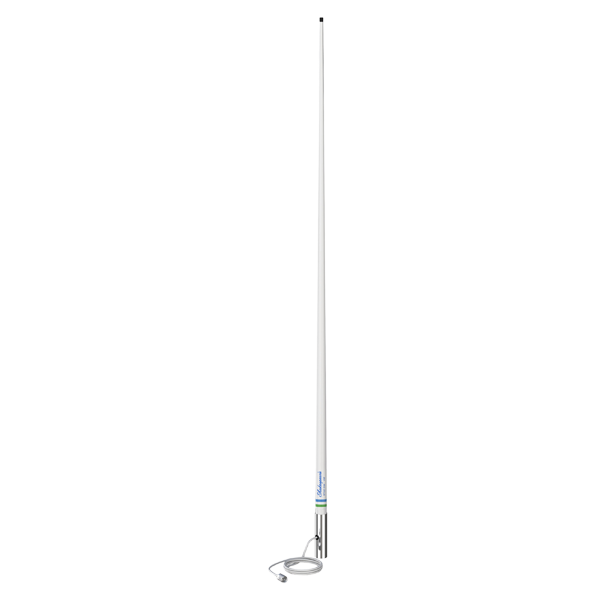
Shakespeare publishes brass and copper internal elements, a chrome-plated brass ferrule with the common 1 inch-14 mounting thread, a single-section high-gloss white fibreglass body and 4.6 metres of RG-58 coaxial cable ending in a PL-259 connector. Maximum input is 50 watts, bandwidth is 5 MHz within a 2.0:1 voltage standing wave ratio (VSWR), and the maker states a VSWR below 1.5:1 at 156.8 MHz. Suggested 4187 or 4188-SL mounts are separate. I see a conventional, serviceable installation rather than a clever component that forces the rest of the boat to adapt around it.
Shakespeare 5104 vs Banten 1.2 m Kit vs Glomex Glomeasy RA300 vs Supergain Ibiza
| Antenna | Current price | Difference | Length and gain | Frequency and VSWR | Maximum input | Cable and termination | Mount and ferrule | Materials and warranty |
|---|---|---|---|---|---|---|---|---|
| Shakespeare 5104 1.2 m | £112 | Reviewed model | 1.2 m; 3 dB | Marine VHF; <1.5:1 at 156.8 MHz | 50 W | 4.6 m RG-58; PL-259 supplied | 1 in-14 chrome-plated brass ferrule; mount separate | Brass/copper elements; high-gloss fibreglass; 2-year warranty |
| Banten 1.2 m kit | £47 | £65 less | 1.2 m; 3 dB | 156–162 MHz; <1.3 | 25 W | 18 m RG-58; male PL connector | Aluminium L-bracket included; nylon ferrule | Fibreglass whip; polyurethane finish |
| Glomex Glomeasy RA300 | £36 | £76 less | 1.2 m; 3 dB | 156–162 MHz; ≤1.3 at 156.8 MHz | 100 W | FME termination; cable is an optional system item | 5/8 in-24 thread; mounts optional | Brass elements; anti-yellowing fibreglass; limited lifetime warranty |
| Supergain Ibiza | £44 | £68 less | 1.4 m; 3 dB | 156–162 MHz; ≤1.4 at 156.8 MHz | 50 W | 6 m RG-58 cable; plug not stated as included | Integrated black ratchet mount | Brass/copper elements; black fibreglass tube |
I rate the Shakespeare as the strongest overall purchase for a permanent powerboat or working-boat refit. The Banten gives a notably long cable and bracket for £47, but its nylon ferrule and 25-watt rating define a lighter specification. The £36 Glomex has a 100-watt figure and a good modular idea, yet its advertised antenna price sits ahead of the cable, adapter and mount needed to finish the installation. The £44 Supergain neatly combines a ratchet base and six-metre cable, although its fixed integrated mounting route offers less freedom if the deck arrangement changes. Shakespeare costs more, but the chrome-plated brass 1 inch-14 ferrule, supplied PL-259-terminated cable, 50-watt rating, two-year cover and widely understood mount pattern make the complete job easier to specify, inspect and renew. That is where I find the value.
A useful height for a moving boat
A 3 dB antenna spreads its energy in a broader vertical pattern than a long, higher-gain aerial. On a small powerboat that pitches and rolls, I like that trade. It keeps the installation compact and gives the transmitted pattern useful tolerance as the hull moves. Height above the water still matters greatly, and a clear roof or arch position normally serves better than burying the whip beside metalwork. I would plan the location first, then check that the 1.2-metre section can lower safely under sheds, bridges or a winter cover.
The one-piece construction also removes a joint from the exposed section. Shakespeare’s white fibreglass finish is described as durable and resistant to yellowing, while the brass and copper elements are established materials for this job. None of that replaces careful mounting, but it gives me confidence that the basic aerial is intended for regular marine exposure rather than an occasional portable setup.
Cable routing decides the result
The supplied 4.6-metre RG-58 cable is a sensible length for many compact wheelhouses and consoles. I would measure the actual route, including drip loops and service access, before drilling. Coaxial cable dislikes sharp bends, crushed clips and casual joints. Any surplus should be arranged in a broad, tidy run, away from hot machinery and high-current wiring where practical. If the route genuinely needs more cable, I would specify the correct low-loss solution rather than join two convenient scraps behind a lining.
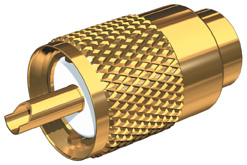
The fitted PL-259 connector makes the radio end familiar to marine installers. The practical question is whether the plug can pass through every gland and chase on the chosen route. If it cannot, the route or termination plan needs deciding before the deck hole is committed. I also want the deck penetration sealed without loading the cable, because a fine antenna cannot rescue water ingress or a connector left carrying the strain.
The ferrule earns attention
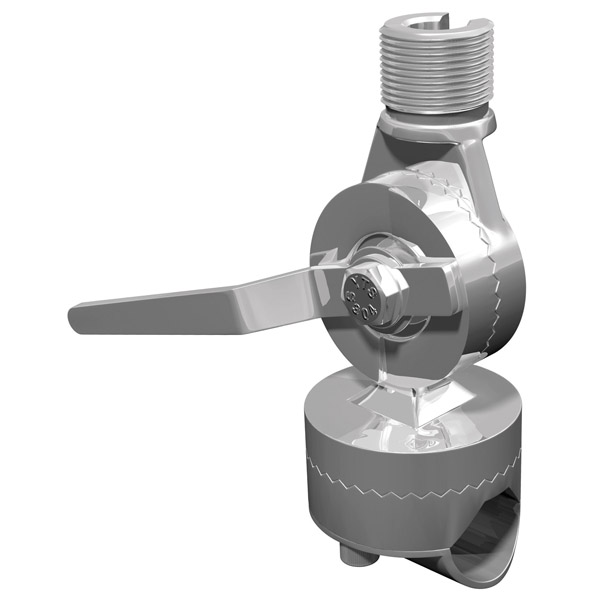
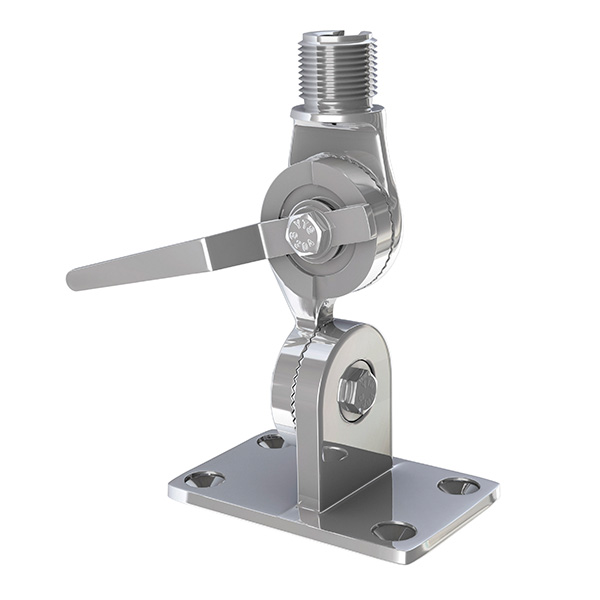
I place real weight on the chrome-plated brass ferrule. It is the mechanical handover between the whip and the boat, and the standard 1 inch-14 thread opens a broad choice of compatible marine mounts. Shakespeare suggests its 4187 ratchet mount or 4188-SL stainless-steel rail mount. They are not included, so the honest installed budget must add the right base, fasteners, backing and sealing materials.
A ratchet mount suits a cabin roof where the antenna must fold for trailering or storage; a rail mount can suit an existing stainless rail when its diameter, support and cable route are appropriate. I would not select either merely because it is easiest to reach with a spanner. The base needs sound structure beneath it, room for the ferrule to turn, and a lowered position that does not strike glass, canvas or crew.
Radio checks and ownership
After installation, I would verify the set on a proper radio check and inspect the transmission with suitable test equipment if performance is doubtful. A low reading at one point is not the whole story: connector workmanship, cable damage, supply voltage, radio output and antenna placement all influence the result. The published two-year warranty is useful, but good records of the model, route and mount will help more during a later refit.
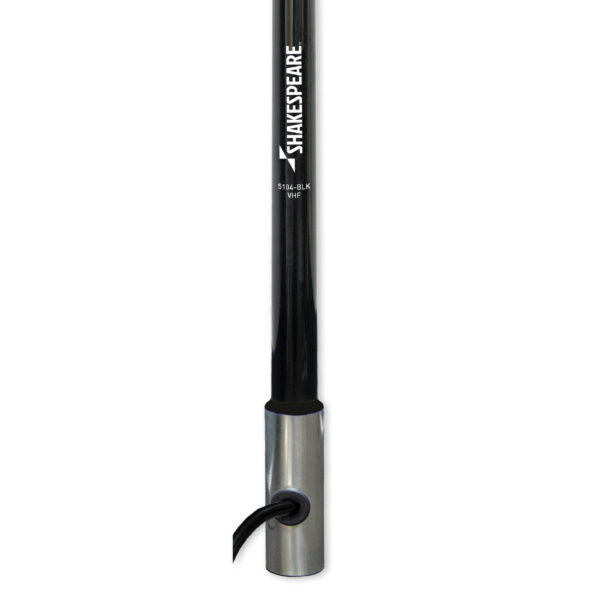
The 5104-BLK offers the same four-foot, 3 dB format in black where glare or the boat’s finish makes that preferable. I would choose colour after the engineering is settled. Either version keeps a straightforward parts trail, and that matters on a working boat where a damaged mount or connector should be identifiable without turning the roof into an archaeology exercise.
Neil’s verdict
I would fit the Shakespeare 5104 where a compact aerial must become a durable part of the boat rather than a seasonal accessory. Its 1.2-metre height, broad 3 dB pattern, brass-and-copper elements, robust threaded ferrule and supplied cable form a well-judged package. The purchase price is higher, but I can see what the money buys at the structural and installation points that carry the load.
My conclusion is firm: for a tidy powerboat, patrol boat or commercial-console installation, the Shakespeare is the better overall buy because it combines a proven standard mount interface with proper metalwork, familiar termination and balanced radio figures. See the Shakespeare 1.2 m VHF antenna at Flood Marine.
About this review
I based this editorial assessment on the live Flood Marine product page, Shakespeare Marine’s current Classic-series specification, Glomex manufacturer material and the cited UK advertised-price pages for Banten, Glomex and Supergain. I checked prices on 20 September 2026. My review is editorial; it is not an instrumented performance test, durability trial or sea test. I wrote it independently as Neil Duddy, and Flood Marine Services did not write the article.
More detail