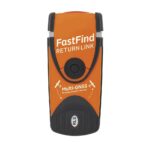
Confirmation when it matters
A distress beacon earns its place by changing what happens after an owner presses the button. The useful consequence here is not merely that a signal leaves the boat, kayak or hillside; it is that the person carrying this personal locator beacon (PLB) can receive confirmation that the alert and position have reached the rescue system. At £395 including VAT, the Mcmurdo Fastfind Return Link brings that Return Link Service (RLS) into a compact, familiar unit without moving into the much dearer end of the market.
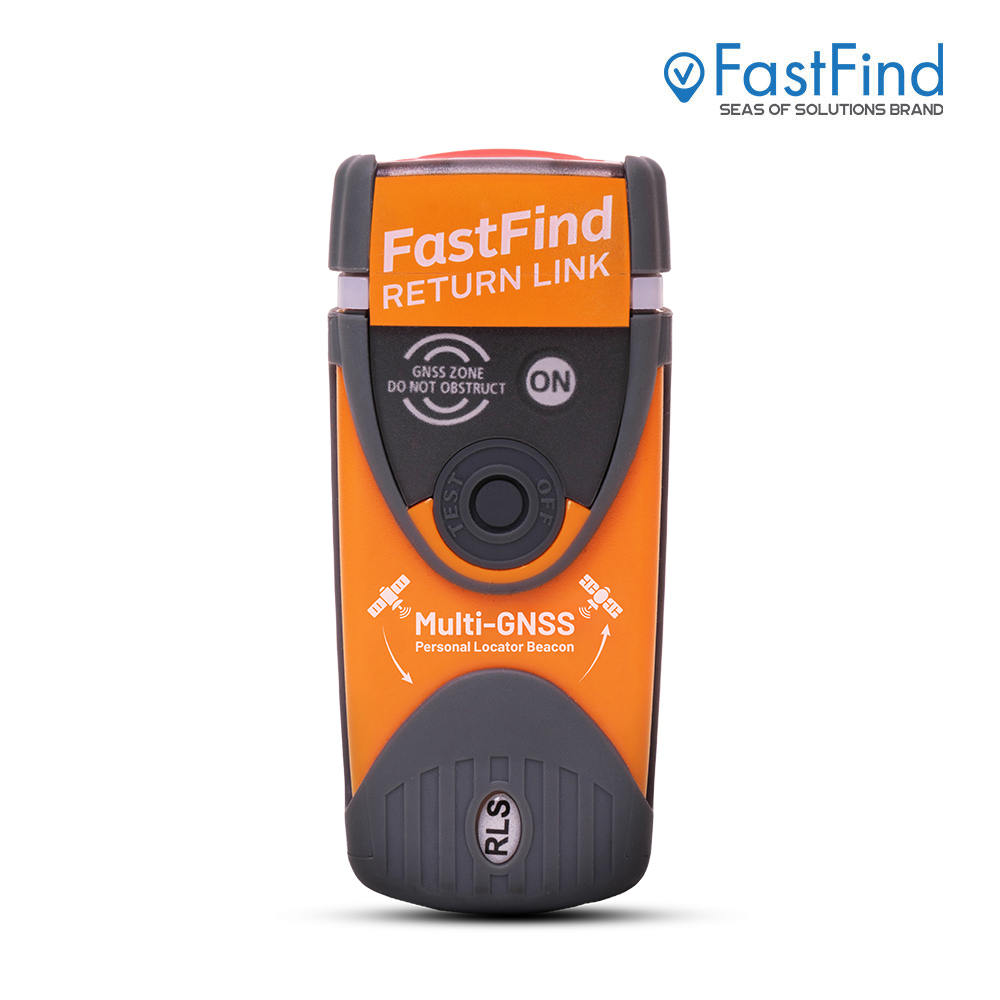
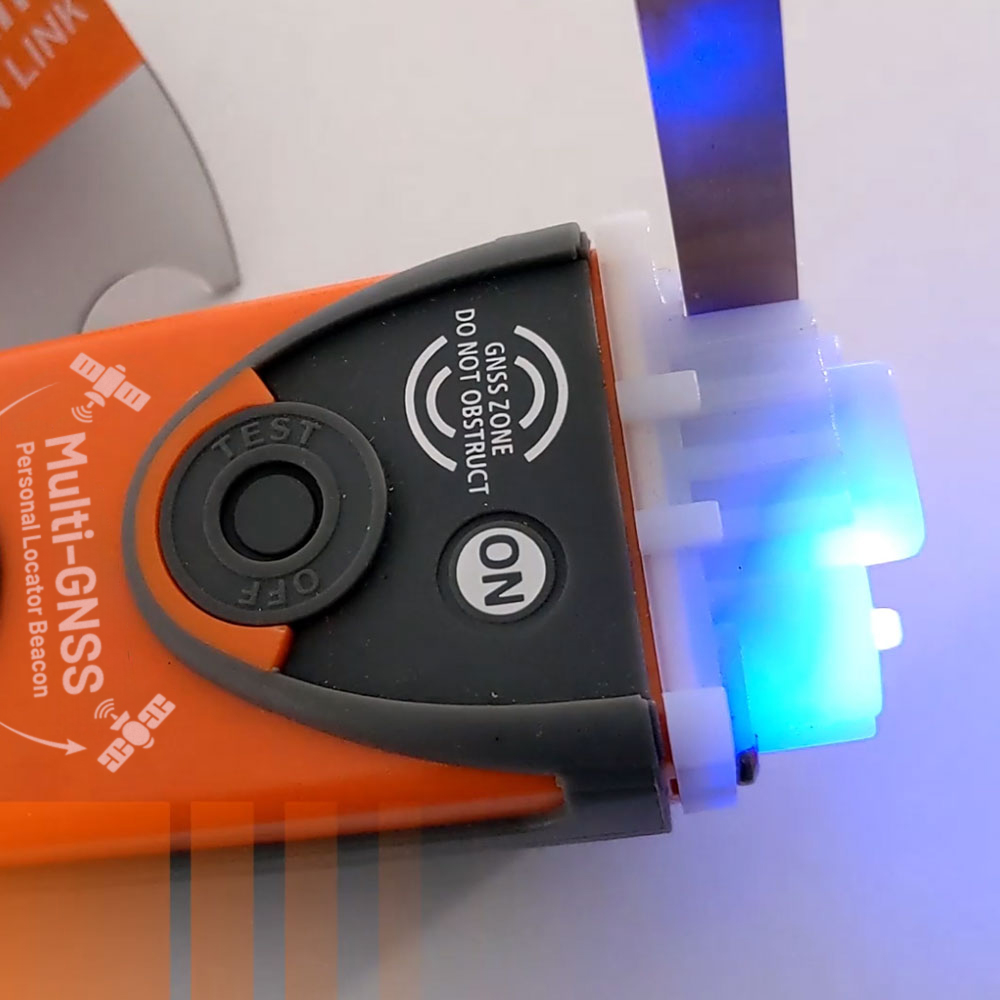
I see that confirmation as the central engineering advantage. The beacon transmits a 406-megahertz (MHz) distress message through Cospas-Sarsat, sends a 121.5 MHz homing signal for the final approach, and uses a 72-channel global navigation satellite system (GNSS) receiver drawing on Galileo and the Global Positioning System (GPS). When the system has received the distress alert and detected the location, the FastFind shows the returned acknowledgement with a blue light. It is reassurance with a defined technical job, not a decorative extra.

Mcmurdo Fastfind Return Link PLB vs Ocean Signal rescueME PLB1 vs ACR ResQLink 410 ReturnLink PLB vs Ocean Signal rescueME PLB3
| Personal locator beacon | Current price | Difference | Distress and homing | Return Link Service | Positioning | Water and buoyancy | Battery and operation | Carry and feedback |
|---|---|---|---|---|---|---|---|---|
| Mcmurdo Fastfind Return Link PLB | £395 | Reviewed model | 406 MHz global distress; 121.5 MHz homing | Yes; blue confirmation light | Galileo and GPS; 72-channel receiver | Waterproof to 10 m; floats in supplied pouch | 5-year battery; 24 hours at -20°C | 164 g; belt, webbing and lifejacket fittings; Morse-code distress and RLS lights |
| Ocean Signal rescueME PLB1 | £299 | £96 less | 406 MHz global distress; 121.5 MHz homing | No | GPS; 66-channel receiver | Waterproof to 15 m; flotation pouch is an accessory | 7-year battery; more than 24 hours at -20°C | 116 g; mounting clip; high-intensity strobe |
| ACR ResQLink 410 ReturnLink PLB | £450 | £55 more | 406 MHz global distress; 121.5 MHz homing | Yes; blue confirmation light | GPS and Galileo | Built-in buoyancy; 5 m for 1 hour / 10 m for 10 minutes | 5-year battery; more than 24 hours | 148 g; multifunction clips; visible and infrared strobes |
| Ocean Signal rescueME PLB3 | £527 | £132 more | 406 MHz global distress, automatic identification system (AIS) alert and 121.5 MHz homing | Yes; blue confirmation light | GPS, Galileo and Russia’s GLONASS constellation | More than 10 m for over 1 hour; flotation pouch available | 6 years from manufacture or 5 years in service; more than 24 hours | Lifejacket integration; visible/infrared strobes; near-field communication (NFC) status app |
For the owner who wants satellite distress alerting with positive receipt confirmation, I judge the FastFind the strongest overall purchase. The rescueME PLB1 costs £96 less, but it cannot send the RLS acknowledgement back to the user. The ACR offers RLS and inherent buoyancy for £55 more, while the PLB3 adds AIS local alerting and NFC status checks for £132 more. Mcmurdo keeps the feature that most changes the experience after activation, supplies the buoyancy pouch and several attachment choices, and holds the price below both other RLS-equipped alternatives.
What the returned blue light actually means
I would be precise about the message. The blue RLS light confirms that the distress alert has been received by the Cospas-Sarsat system and that the beacon’s location has been detected. It is not a chat channel and it does not give an arrival time. That distinction matters because clear information supports better decisions in a grave emergency. The owner gains evidence that the call has entered the rescue chain while still following the survival plan, keeping the antenna correctly presented and conserving heat and energy.
The 406 MHz transmission carries the beacon identity and updated position. Galileo and GPS give the receiver more than one satellite constellation from which to establish that position, while the 121.5 MHz signal gives aircraft and rescue craft a homing source once they are in the area. I like the way those functions divide the job: global alert, satellite-derived location, returned confirmation and local homing. Each has a purpose that can be explained before the beacon ever leaves its pouch.
A carry system is part of the safety system
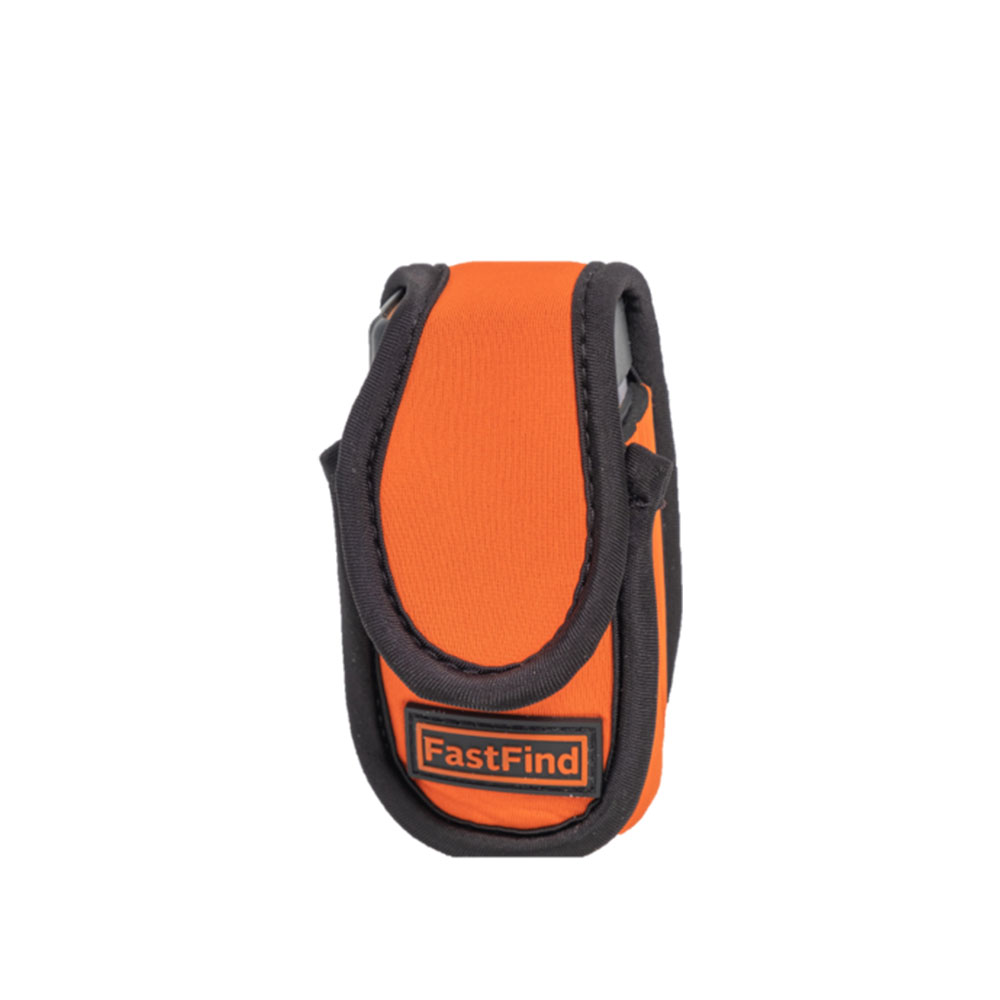
At 112 by 50 by 36 millimetres and 164 grams, the FastFind is small enough to live on the person rather than disappear into a locker. Flood Marine lists a belt-attached buoyancy pouch and fittings for webbing and a lifejacket oral tube. I would decide on that position while ashore, tether the unit as instructed and practise reaching it with either hand. A beacon stored below with the grab bag has less value to someone separated from the boat.
The unit itself is Category 2 and is not inherently buoyant, so the supplied pouch is an important part of the marine setup. In that pouch it floats for retrieval, and the housing is rated for immersion to 10 metres for five minutes. The safe-stow antenna and three-stage activation reduce the chance of an unintended transmission. If the beacon is ever activated accidentally, I would switch it off only when safe to do so and contact the coastguard promptly so the alert can be resolved properly.
Cold-weather endurance and the ownership routine
Mcmurdo states 24 hours of transmission at minus 20 degrees Celsius and a five-year storage life from manufacture. Those are meaningful figures for Irish coastal use because the battery specification is tied to a demanding temperature, not a warm bench. I would record the expiry date when registering the beacon, include the casing, antenna, pouch and tether in routine inspections, and use the prescribed self-test schedule rather than pressing test for curiosity.
Battery replacement is a service-centre job, and a live activation also means the beacon needs professional attention before returning to duty. Registration is equally important. The unique identity should be linked to the correct owner and emergency contacts, and those details should be updated after a change of address, contact or ownership. There is no subscription charge, but good ownership still involves registration, controlled tests, an accessible carrying position and replacement before expiry.
Practical value for leisure and professional users
For a sea angler, paddler or cruising sailor, I think the FastFind gives a clear step up from a basic one-way PLB. The same is true for a surveyor, lone worker or commercial skipper who moves between vessels: because a PLB is registered to a person, it can follow the operator rather than remain tied to one hull. The multiple mounting options suit that movement, and the rubberised shape is easy to recognise among other safety equipment.
The £395 price sits in the right place. It preserves the globally recognised distress and homing functions, adds Galileo/GPS positioning and RLS, and avoids charging for a screen or app that is secondary to the core rescue path. I would still brief anyone carrying it on what the lights mean, when activation is justified and how the antenna must be used. A straightforward beacon becomes more useful when the person wearing it understands every stage.
Neil’s verdict
I would buy the Mcmurdo Fastfind Return Link for an owner or operator who wants the most consequential modern PLB feature at a sensible whole-package price. Its blue acknowledgement addresses the uncertainty that follows a distress transmission, while the dual-constellation position, 406 MHz alert and 121.5 MHz homing signal cover the established rescue sequence.
My conclusion is firm: this is the best overall purchase in the comparison because it brings RLS below the price of the other RLS alternatives, retains a compact and rugged carry format, and includes the fittings and flotation pouch needed to keep it close. View the Mcmurdo Fastfind Return Link PLB at Flood Marine.
About this review
I consulted Flood Marine’s live listing, Seas of Solutions’ current Mcmurdo product material and technical data, official Ocean Signal and ACR specifications, and the named UK retailer pages. Prices were checked on 14 September 2026. This is my editorial assessment, not an instrumented performance, durability or sea test. I am Neil Duddy, an independent reviewer; Flood Marine Services did not write this article.