The bright seven-inch display that keeps the helm clear

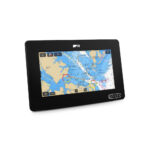
At the helm, a chartplotter gets only a second or two to make sense. The sun is on the screen, the boat is moving and the skipper wants the next turn, depth or target without searching through menus. That is where the Raymarine Axiom 2 7S makes its case. The display is exceptionally bright, the LightHouse interface is easy to read at a glance, and there is enough networking behind it to build a proper system rather than a collection of separate boxes.
The E70720 chartplotter-only display is priced at £947 including VAT. It is the seven-inch S version, intended for navigation and networked information rather than direct RealVision sonar connection. An Axiom 2 RV model adds that sonar connection, while nine and twelve-inch screens carry the same operating system onto larger helms. I like that clean split: choose the screen size and sonar arrangement the boat needs, without learning another interface.
A screen made for an open boat
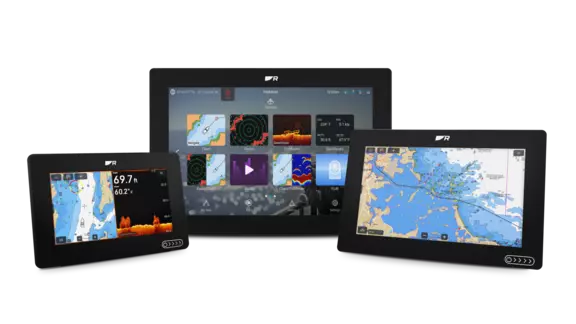
Raymarine publishes 1,800 nits of brightness for the seven-inch in-plane-switching display. Resolution is 1024 × 600. The brightness figure is the one that stands out because an open console rarely gives a screen kind lighting. Strong backlighting and wide viewing angles keep the chart legible when the driver is standing, looking from the side or dealing with reflection off the water.
The glass has Raymarine’s HydroTough coating to help with water and fingerprints, and the housing carries IPX6 and IPX7 water-ingress ratings. Spray will still leave marks on any display, but this one is built around the reality of a marine helm. Seven inches is compact enough for a small console and large enough for a clear full-screen chart, engine page or radar picture. A helm that regularly splits several panes can move to the nine or twelve-inch model without changing the basic controls.
Touch response and page layout are both good. The LightHouse home screen uses clear icons, and frequently used choices are not buried under layers of technical language. Gloves and heavy spray can make any touchscreen awkward, so compatible Raymarine remote controls remain useful on exposed boats. The important point is that the display stays quick to understand when attention belongs outside the windscreen.
LightHouse gives the system one language
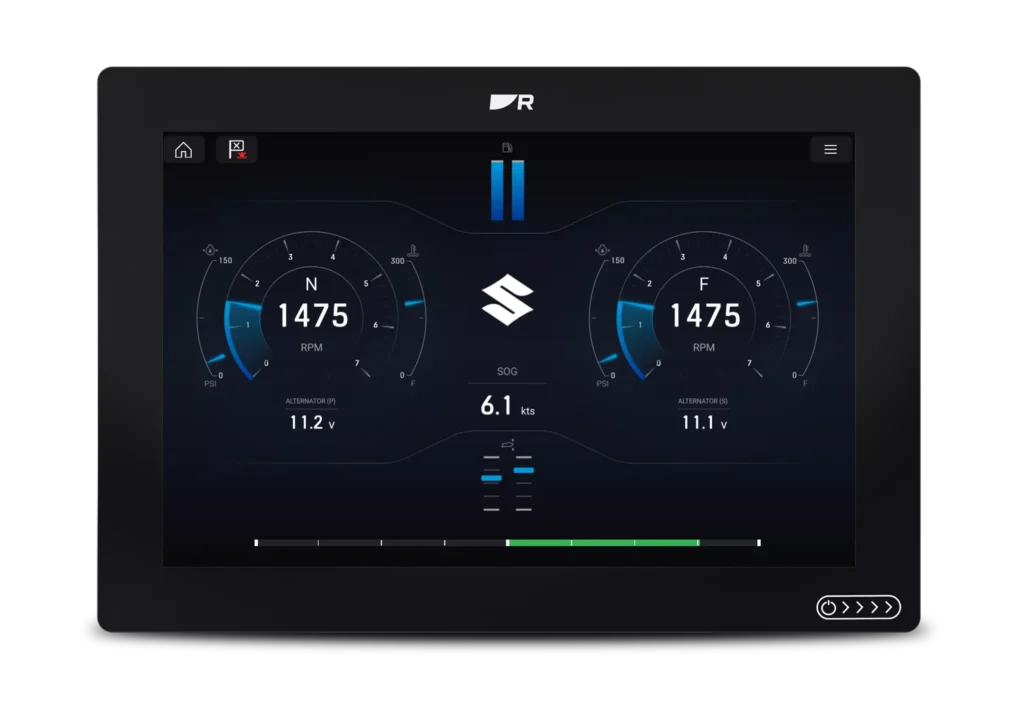
A six-core processor keeps chart movement and menus brisk. Routes, radar, autopilot information, engine data, cameras and instruments all use the same LightHouse presentation. That consistency is more valuable than a long feature list. Information looks as though it belongs together, and a crew member does not need a different set of habits for every part of the helm.
Gigabit RayNet Ethernet handles compatible radar, sonar, video and display traffic. A National Marine Electronics Association 2000 network carries engine and instrument data. Wi-Fi and Bluetooth support updates, planning and connected functions. Each connection has a clear job, while the Axiom brings the useful results onto one screen.
The internal global navigation satellite system receiver supports GPS, GLONASS and BeiDou, with a ten-hertz position update. Raymarine lists storage for up to 10,000 waypoints and 250 routes within the published limits. LightHouse charts, compatible Navionics products and C-MAP products cover the main chart choices. There are 64 gigabytes of internal storage and a microSDXC card slot for charts and data.
It can begin small without staying small
An Axiom 2 7S can start as the main navigation display on a compact boat. Add engine information over National Marine Electronics Association 2000, then radar, an autopilot, a camera or a second Axiom station as the installation develops. The screen does not need replaced simply because the rest of the boat becomes more capable.
The chartplotter-only S model is especially tidy when depth already comes from another network source or navigation is the main purpose. Where direct sonar is required, the RV version keeps the same bright display and LightHouse interface. That range makes it easier to choose the right unit at the start while keeping a clear upgrade path.
Raymarine Axiom 2 7S vs Lowrance Elite FS 7 vs Simrad NSX 3007 vs B&G Zeus S 7
| Multifunction display | Price including VAT | Difference | Display | Marine networking |
|---|---|---|---|---|
| Raymarine Axiom 2 7S | £947 | — | 7-inch, 1024 × 600; 1,800 nits | Gigabit RayNet; National Marine Electronics Association 2000; Wi-Fi |
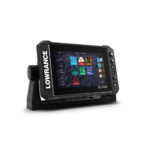
| Lowrance Elite FS 7 | £740 | £207 less | 7-inch, 800 × 480; over 1,200 nits | Ethernet; National Marine Electronics Association 2000; Wi-Fi |
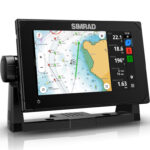
| Simrad NSX 3007 | £945 | £2 less | 7-inch, 1024 × 600; over 1,200 nits | Ethernet; National Marine Electronics Association 2000; Wi-Fi |
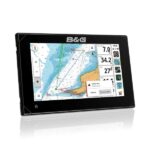
| B&G Zeus S 7 | £1,025 | £78 more | 7-inch, 1024 × 600; over 1,200 nits | Ethernet; National Marine Electronics Association 2000; Wi-Fi |
Advertised prices checked 8 September 2026. Chart coverage, transducers, sensors and networking accessories vary by listing.
The display is what separates them
All four units provide modern networking and seven-inch touchscreens. The Axiom’s advantage is visible every time the light turns difficult. Its published 1,800-nit brightness is more than 600 nits above the figures quoted for the other three displays, and it keeps the full 1024 × 600 resolution shared with the Simrad and B&G. The Lowrance is less expensive, but its 800 × 480 panel gives up both brightness and resolution. Simrad is virtually the same price as the Raymarine. B&G costs more.
That makes the Raymarine the strongest overall choice rather than simply the brightest line in the table. LightHouse is clear, the six-core processor keeps it moving well, and Gigabit RayNet gives radar, video and other high-bandwidth information room to grow. The hardware and software pull in the same direction: important information remains easy to see and the display can stay at the centre of a more capable helm.
I would place extra weight on that screen quality for any open or semi-open console. Chart detail that looks impressive indoors is no help when glare washes it out at sea. The Axiom starts with a clear daylight advantage, then supports it with proper marine construction and a network path that does not box the boat in later.
Erin’s choice at the helm
My test is whether a display reduces the thinking needed to get the right information. The Axiom 2 7S does. The chart is bright, the page design is calm and the system can show navigation, engine, radar and pilot information without feeling thrown together. It is easy to use as a focused chartplotter and capable enough to become much more.
For a compact console, the seven-inch model is a very strong fit. On a larger helm it works neatly as a second station, and the bigger Axiom 2 sizes extend the same experience when more screen area is required. Among these four, Raymarine has the best balance of daylight visibility, resolution, speed and future expansion. View the Raymarine Axiom 2 7S.