Light enough for a small boat and serious enough for daily use
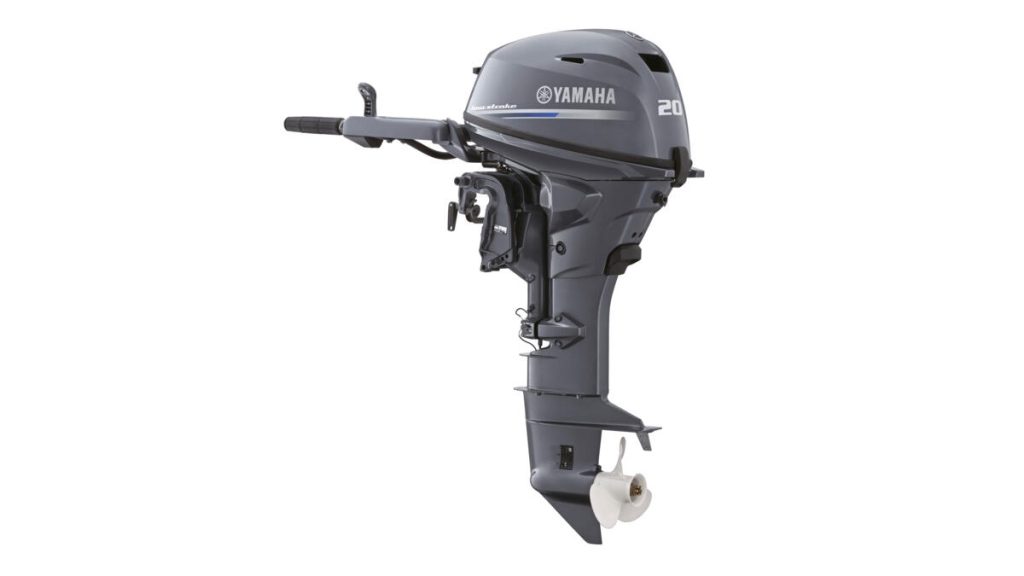
Twenty horsepower often lands on the busiest small boats. It may push a family rigid inflatable boat (RIB) on Saturday, carry fishing gear on Sunday and spend Monday doing a club or estate job. That is why I look past the bare power figure. The engine needs to start without ceremony, keep its manners at trolling speed and remain light enough for a modest transom.
The Yamaha F20 range begins at £3,330 including VAT and runs to £3,990 as shaft length, starting, control and tilt options change. A propeller is included in the listing. The current F20G design uses a 432 cubic-centimetre twin-cylinder block with electronic fuel injection. Its larger-capacity design combines manageable transom weight with the steady delivery expected from a Yamaha used hard.

The F20 is a family, not one tiller engine
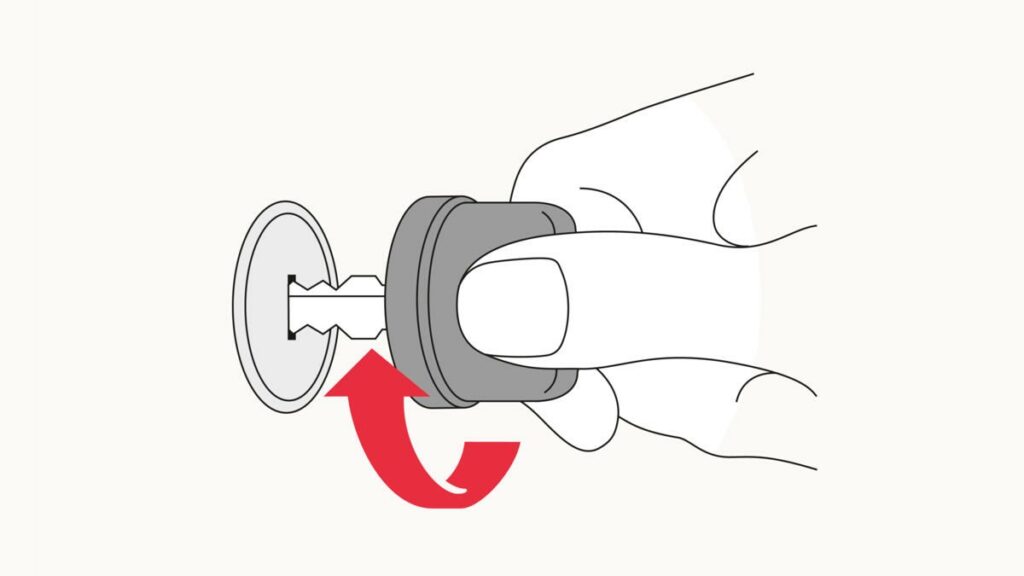
Manual-start tiller versions keep a simple open boat uncluttered. Electric start removes a daily pull of the cord, remote control suits a console boat, and power tilt becomes valuable where the engine is raised frequently or the operator works alone. Short- and long-shaft versions cover common transoms. Looking at the F20 as a family matters because a light inflatable and a wheel-steered utility boat ask for different controls.
Yamaha’s multifunction tiller option gathers throttle, shift and trim functions within easy reach on compatible versions. Variable trolling speed allows fine engine-speed changes when fitted with the appropriate control. Digital-network gauge compatibility brings engine information to a console installation. The owner can begin with a clean manual tiller or build a fully equipped remote installation while keeping the same F20 character.
Why the larger block matters
At 432 cubic centimetres, the Yamaha has more displacement than the Suzuki, Tohatsu and Honda engines listed here. Displacement alone cannot predict boat speed, but it helps explain the F20’s easy mid-range feel with people and kit aboard. The engine is not relying on a peaky character to make its rated power. On a working boat that spends much of its time between idle and cruise, that relaxed response is more useful than a dramatic top-speed claim.
Battery-less electronic fuel injection on the manual versions keeps starting and fuelling consistent without demanding a starting battery. Selected electric versions offer a 16-amp alternator, a meaningful step for navigation lights, a radio, a small plotter or pumps. A clean one-piece cowling and accessible routine-service layout complete an engine that is modern without being awkward to explain.
Yamaha F20 vs Suzuki DF20A vs Tohatsu MFS20E vs Honda BF20
| 20 hp family | Advertised price | Engine core | Published weight range | Starting, control and tilt choices | What supports long ownership |
|---|---|---|---|---|---|
| Yamaha F20 | From £3,330 | 432 cc twin; electronic fuel injection | About 56–66 kg by version | Manual or electric start; tiller or remote; power tilt on selected versions; variable trolling on suitable controls | Propeller included; digital-gauge compatibility; strong commercial history and used-market demand |
| Suzuki DF20A | From £2,835 | 327 cc twin; electronic fuel injection | About 44–49 kg by version | Manual or electric start; tiller or remote; power tilt by model | Very low transom weight; lean-burn system; package inclusions depend on seller |
| Tohatsu MFS20E | From £2,760 | 333 cc twin; electronic fuel injection | About 43–52 kg by version | Manual or electric start; tiller or remote; power tilt by model | Light family with broad configuration choice; package details vary |
| Honda BF20 | From £3,882 | 350 cc twin; carburettor | About 46–58 kg by version | Manual or electric start; tiller or remote; power tilt by model | Large charging options on selected versions; established four-stroke service record |
Advertised prices checked 11 September 2026. The configurations are not identical; the controls and weight columns show why a family price must be matched by shaft, start, steering and tilt rather than horsepower alone.
Weight is only one part of the transom decision
Suzuki and Tohatsu have a clear weight advantage, and their entry prices are lower. Honda offers a well-known four-stroke with a price closer to the Yamaha once comparable versions are considered. The Yamaha earns its place through the combination of a much larger 432 cubic-centimetre block, broad control choices, useful charging capacity, compatible instrumentation and an included propeller. Those features keep contributing when the boat carries more than one person and a fuel tank.
The same family can remain familiar as the installation becomes more capable. A tiller workboat, a compact console boat and a tender with electric start can all be built around the F20 character. That continuity is valuable for owners and operators who want the same starting behaviour, controls and service pattern as the boat changes.
Proven hours and value after the first invoice
Yamaha four-strokes are common in leisure fleets, sailing clubs and commercial inshore use. The F20 benefits from that record of dependable starting, parts availability and predictable service routines. Broad workshop familiarity also gives an owner fewer unknowns over a long season of repeated starts, slow running and loaded passages.
The same familiarity helps resale. Used buyers recognise the F-series name and understand the difference between tiller, remote, manual and electric versions. A documented F20 remains straightforward to value when the boat is upgraded. That retained demand is a real part of what the additional purchase price protects.
Neil’s verdict
The F20 is my choice for the owner who wants a small outboard to do grown-up work. Its 432 cubic-centimetre twin has the capacity to carry a proper load smoothly, electronic fuel injection keeps its behaviour consistent, and the range of starting, control and tilt options means the installation can be kept simple or made fully equipped without leaving the family.
The lighter competitors make respectable engines, but the Yamaha brings the fullest long-term case: larger capacity, useful electrical output, a clear rigging path, proven leisure and commercial service, and strong demand when it is sold on. That is where the higher initial figure finds its value. View the Yamaha F20 range.
I would judge the F20 over a full season, not one fast run. I want the same clean start on a damp Monday that I had on a summer Saturday, along with steady trolling and enough charging for the equipment aboard. That consistent behaviour is where the Yamaha family earns its reputation.
About this review
I based this review on the product and manufacturer information listed in the sources, together with advertised UK prices checked on 11 September 2026. It is an editorial assessment, not an instrumented performance, durability or sea test. The words and opinions are Neil Duddy’s, and the article was not written by Flood Marine Services.