Why this light 25 hp outboard earns its reputation
I judge a 25-horsepower outboard by the mornings when nobody wants a discussion with it. Turn up early, get fuel to the engine, start it and go. The Yamaha F25 has earned a strong name by doing the ordinary things well for years, whether it is running a fishing boat at weekends or clocking up regular hours on a workboat.
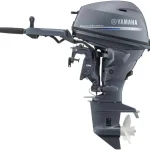
The F25 range starts at £4,190 including VAT for the short-shaft, manual-start, tiller-control version with a propeller. It is also available with electric start, remote control, power trim and longer shaft lengths. Those variants share the same compact 432 cubic centimetre electronic-fuel-injection engine. The letters after F25 describe the setup; the useful thing is that there is an F25 for a simple open boat and another for a fully controlled console installation.

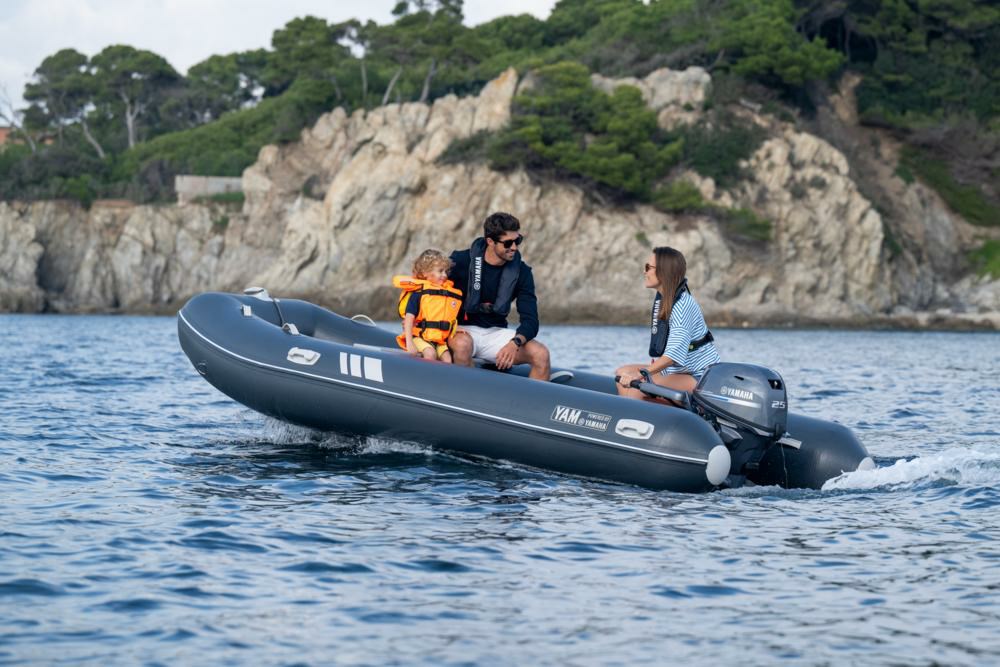
A light engine with proper working features
The F25 is a two-cylinder, single-overhead-camshaft four-stroke producing 18.4 kilowatts at the propeller. Yamaha lists dry weights from 56 to 70 kilograms across the family, depending on shaft, starting, control and trim choices. At 56 kilograms in its lightest form, it puts very little unnecessary weight on the back of a small boat.
That matters on compact hulls. Less weight at the transom helps the boat sit properly, makes shore handling easier and leaves more of the carrying capacity for people, fuel and equipment. Yamaha has not reached that figure by leaving the engine bare. Manual-start versions still have battery-less electronic fuel injection, PrimeStart enrichment and a 16-amp alternator. Fuel delivery stays clean and consistent, while the charging output is useful for lights, a bilge pump, a battery and sensible electronics.
The one-piece cowling comes off easily for routine access. Freshwater flushing is straightforward. Yamaha’s corrosion protection, water-separating fuel arrangement and warning systems are all familiar features, but familiarity is a strength here. This engine family has been in use since 2017, so servicing is based on an established platform rather than first-year guesswork.
One F25 family, several sensible versions
A small tiller boat is often best with manual start and manual trim. It keeps the installation light and leaves the middle of the boat open. Electric start adds welcome convenience where a battery is already part of the package. Remote-control versions move the driving position forward to a console, and power trim lets the driver alter the boat’s attitude while under way. Short, long and extra-long shafts cover the common transom heights in open boats, rigid inflatable boats and small workboats.
The range is broad without becoming confusing. Pick the shaft to suit the hull, then choose tiller or remote control, manual or electric start, and the trim system that belongs with the boat. The engine underneath remains the F25. That common base is useful for owners, workshops and the used market because the model is widely recognised.
Why the Yamaha name carries weight
Plenty of outboards can produce 25 horsepower. Yamaha’s advantage is the confidence built around how the F25 delivers it over time. The current generation has a proven record in leisure and commercial service. It is found on fishing boats, club boats, tenders, open utility hulls and craft that start and stop throughout a working day. High-hour users value predictable starting, steady low-speed running and a service routine that is understood across the marine trade.
The F25’s reliability reputation has been built over years of leisure and commercial use. Its mature fuel-injected platform, sensible lubrication, strong charging output and marine corrosion protection all support the steady starting and consistent running owners expect. That proven record matters on a workboat building hours and on a leisure boat expected to be ready whenever the weather gives an opening.
Leisure owners benefit from the same engineering even if the hours build more slowly. Clean electronic fuel injection helps after the boat has been sitting. Low weight suits a trailer boat. The alternator keeps normal electrical equipment supported. When the engine is eventually sold, a tidy, well-maintained Yamaha generally attracts strong interest because buyers know the name and understand the product. Resale value cannot be fixed in advance, but recognition and demand are real parts of the ownership calculation.
Yamaha F25 vs Tohatsu MFS25DS vs Suzuki DF25AS vs Mercury F25 MH
| 25 hp outboard | Price including VAT | Difference | Compared configuration | Published dry weight |
|---|---|---|---|---|
| Yamaha F25 | £4,190 | — | Manual start; tiller; short shaft; wider family available | 56–70 kg across the family |
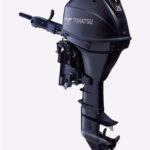
| Tohatsu MFS25DS | £3,199 | £991 less | Manual start; tiller; 15-inch shaft; manual trim | 58 kg |
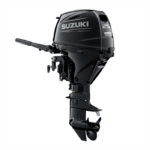
| Suzuki DF25AS | £3,420 | £770 less | Recoil start; tiller; 381 mm shaft; manual trim | 62 kg |
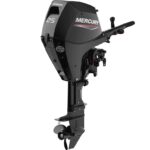
| Mercury F25 MH | £3,528 | £662 less | Manual start; tiller; short shaft; manual trim | 71 kg on the compared listing |
Advertised prices checked 8 September 2026. The closest manual-start, tiller-control, short-shaft versions are shown; equipment and weight change by exact variant.
The extra spend stays useful
The Yamaha costs more than the three engines in the table, and its case is much bigger than the badge on the cowling. It starts with the lowest published weight, then adds battery-less electronic fuel injection, a strong 16-amp charging system and one of the widest selections of starting, control, shaft and trim arrangements in this class. It is a light engine that still has the equipment expected from a permanent installation.
The alternatives make 25 horsepower, but none brings the F25’s whole mix together as well. The Tohatsu comes close on weight. The Suzuki is six kilograms heavier than the lightest Yamaha. The compared Mercury is 15 kilograms heavier. Those differences matter at the back of a small hull, and they sit alongside Yamaha’s established service record, broad model family and strong demand when a cared-for engine reaches the used market.
For a commercial operator, the value sits in dependable daily use, straightforward planned maintenance and an engine family with a long track record. For a leisure owner, it sits in easy starting, low transom weight, useful charging and confidence that the outboard will remain a desirable part of the package. The hours may accumulate differently, but the reasons for choosing the Yamaha do not disappear.
How I would choose the version
On a compact 15-inch-transom fishing boat, the manual-start tiller version keeps the package beautifully simple. A console boat calls for remote controls. Regular crew changes or plenty of stop-start running make electric start attractive. Power trim earns its place where load and water conditions vary during the day. Long and extra-long shafts extend the same F25 qualities to deeper transoms.
The best part is not having to leave the engine family as the specification grows. The F25 can remain the familiar centre of a basic workboat, a smart family RIB or a neatly rigged fishing boat. Propeller choice and installation still shape the final result, but the engine provides a very strong base.
Neil’s verdict
My view is simple: the Yamaha F25 is the 25-horsepower outboard to buy for the years ahead, not merely for the day the invoice is paid. It is light, properly equipped and available in enough versions to fit a wide spread of boats. The current platform has already shown itself in leisure and commercial use, including boats that build serious hours.
Add Yamaha’s reputation for reliability and the strength of the name at resale, and the higher initial figure makes sense throughout ownership. The F25 earns its place through starting, running, charging, servicing and eventually selling—not through one headline claim. View the Yamaha F25 range.